
EAST TORONTO / RESILIENCE
Keep important technology working when something goes wrong.
Power outages, internet failures, hardware problems, and data loss can turn everyday technology into a disruption.
East Toronto Tech helps plan sensible layers of resilience so essential devices, connectivity, and data can keep working or recover with less interruption.
See What Resilience Covers ↓

→ WHAT RESILIENCE COVERS
Resilience works best in layers.
No single device or backup solves every problem. The goal is to identify what matters most, reduce obvious points of failure, and put sensible fallback options in place.
Power
UPS systems and backup power can keep essential devices running through short outages and provide time to shut equipment down safely.
Connectivity
Reliable networking, sensible equipment placement, and backup internet options can reduce the impact of connection failures.
Data Protection
Important files should exist in more than one place, with backups that are checked rather than simply assumed to be working.
Recovery
Documentation, account access, replacement planning, and tested recovery steps make it easier to restore normal operation after something fails.
→ PLANNING & PRIORITIES
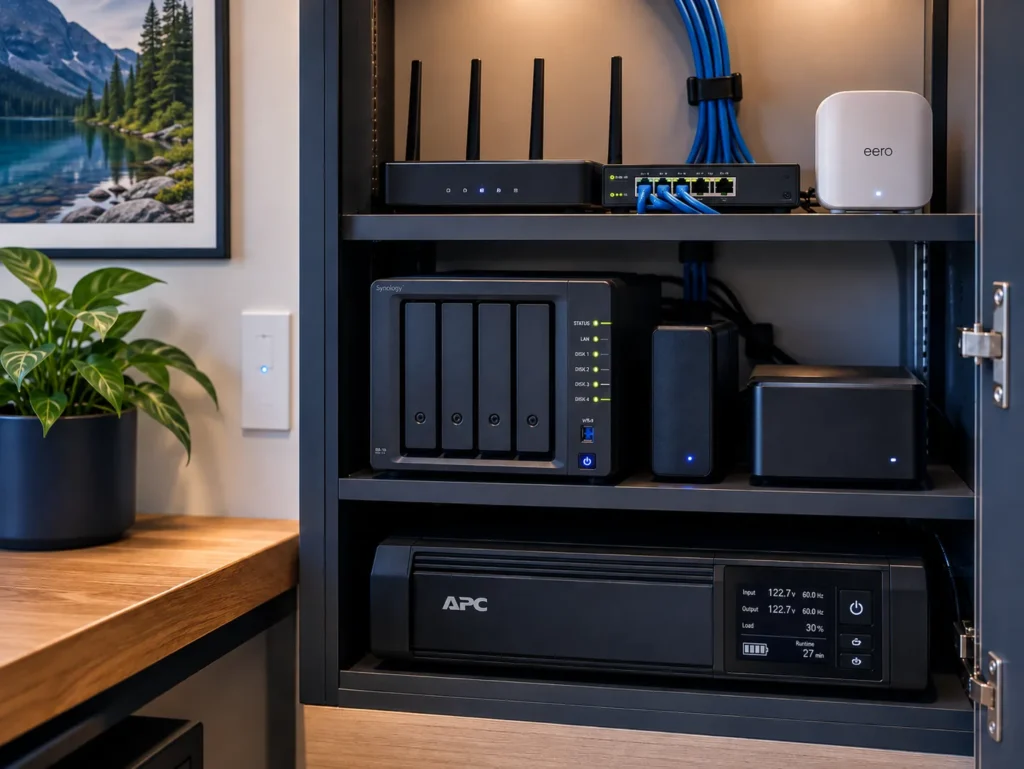
Plan around what needs to keep working.
Resilience starts by identifying which devices, connections, accounts, and data matter most. From there, the goal is to reduce obvious points of failure and choose fallback options that fit the situation.
Keep essential systems available
Power and connectivity planning can help important devices stay online through short interruptions or provide enough time to transition safely when something fails.
Make recovery easier
Reliable backups, account access, documentation, and replacement planning help reduce confusion and shorten the path back to normal operation.
The right setup depends on what you rely on, how long you need it available, and how quickly you need to recover.
→ HOW WE APPROACH RESILIENCE
Start with what matters most.
Resilience planning doesn’t need to mean replacing everything or building an elaborate system. It starts with understanding what you depend on, where the weak points are, and which improvements would make the biggest difference.
01 / Assess
Identify the devices, connections, data, and services that are most important to everyday life or work.
02 / Prioritize
Focus first on the failures that would cause the most disruption and the improvements that provide meaningful protection.
03 / Build in Layers
Add backup power, connectivity, data protection, and recovery measures where they make sense.
→ RELATED GUIDANCE
Explore Resilience guidance.
Helpful articles on backups, power continuity, internet resilience, and protecting important data.
-

How to Know Whether Your Backup Is Actually Working
A green checkmark does not prove that your backup will work when you need it. Learn…
-

What Is the 3-2-1 Backup Rule, and Does a Small Business Need It?
The 3-2-1 backup rule recommends keeping three copies of important data, using two types of storage,…
-

UPS Battery Backup for Home Offices: What It Protects and What It Doesn’t
A UPS can keep important home-office equipment running through short power interruptions, but it has clear…
→ GET IN TOUCH
Want to make your technology more resilient?
Tell us what you rely on and where the weak points are. We’ll help identify sensible ways to improve power, connectivity, data protection, and recovery.